
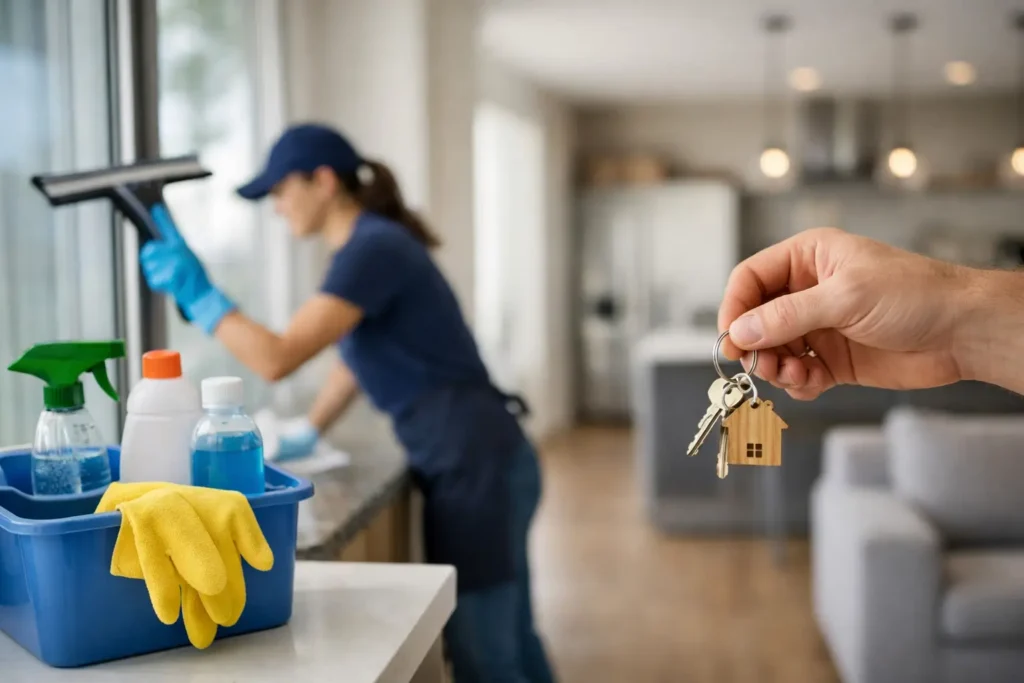
A vacate clean for rental handover is not the time for a quick once-over with supermarket spray and a borrowed vacuum. It is the final condition of the property that your property manager, landlord or incoming tenant sees – and small misses can quickly become cleaning deductions, inspection delays or a stressful dispute over the bond.
The goal is simple: return the home in a clean, presentable condition that meets the standard recorded at the start of the tenancy, allowing for fair wear and tear. The work is rarely difficult because of one big job. It becomes difficult because every room has dozens of surfaces, edges and fixtures that are easy to overlook when you are also packing boxes, arranging removalists and handing back keys.
What a rental handover clean really needs to cover
A proper handover clean is about more than making the home look tidy. Property managers commonly assess visible presentation, hygiene and areas where everyday use leaves build-up. That includes floors, carpets, kitchen appliances, bathroom fixtures, windows, skirting boards, cupboards, switches and marks on walls.
The entry condition report is your best reference point. Read it before you begin and compare the property room by room. If the report notes a clean oven, freshly cleaned carpets or spotless shower glass when you moved in, those are areas worth giving extra attention before the final inspection.
Fair wear and tear is different from damage. Slight fading from sunlight, worn carpet in a busy walkway or ageing grout may not be a cleaning issue. A greasy oven, pet hair in carpets, soap scum on glass or a stain that was not there at the beginning of the lease is more likely to be raised. If you are unsure, ask the property manager what the owner expects and keep communication in writing.
Start with the jobs that affect every room
Cleaning after furniture is removed is far more effective than cleaning around it. Once the home is empty, work from high surfaces to low surfaces so dust does not settle onto a floor you have already finished. Start with ceiling fans, air-conditioning vents, light fittings and cobwebs, then move to walls, cupboards, benches and floors.
Do not underestimate edges. Skirting boards, door tracks, window sills, power points and the tops of doors are common inspection points because they show whether the clean was thorough. A damp microfibre cloth and the right gentle cleaner will handle many surfaces, but test any product in an inconspicuous spot first. Strong chemicals can strip finishes, dull painted walls or damage natural stone.
For walls, spot-clean fingerprints and scuffs rather than scrubbing entire painted areas. Too much pressure can leave shiny patches that look worse than the original mark. Similarly, take care with flyscreens, blinds and delicate window tracks. A rushed clean that causes damage can cost more than bringing in a professional from the start.
Give the kitchen and bathroom enough time
Kitchens and bathrooms usually decide whether a property feels genuinely clean. They also take longer than most tenants expect.
In the kitchen, remove all crumbs and residue from drawers and cupboards, including corners and shelf edges. Degrease the rangehood filters, clean the cooktop and wipe the splashback until it is free of streaks. The oven deserves particular attention. Burnt-on grease and carbon build-up can be stubborn, and harsh oven products need to be used carefully around seals, elements and surrounding finishes.
In the bathroom, focus on soap scum, mould, hair and water marks. Clean shower screens from top to bottom, scrub taps and shower heads, and wipe behind the toilet and around its base. Grout and silicone should look clean, but cleaning cannot always reverse permanent discolouration, cracked sealant or failed grout. Photograph any pre-existing issues before the inspection.
Laundry troughs, exhaust fans and drains are also easily missed. Remove lint, wipe detergent residue from shelves and make sure no personal items are left behind. Emptying every cupboard is just as important as cleaning it.
Carpets, hard floors and windows need the right method
Flooring is one of the most visible parts of a final inspection. Vacuum carpets slowly in multiple directions, including wardrobe floors, corners and along skirting boards. Treat fresh stains promptly, but avoid soaking them or using random products that may set the stain, bleach the fibres or leave a sticky residue that attracts more soil.
A professional carpet clean can be a sensible choice where carpets are heavily soiled, have pet odours, contain visible stains or are specifically required under the tenancy agreement. It is also useful when time is short. Proper hot-water extraction equipment removes far more embedded dirt than a household machine, although drying time depends on airflow, humidity and carpet type. Keep windows open where practical and avoid walking on damp carpet until it is dry.
For tiles and hard floors, sweep or vacuum first. Mopping over grit can leave scratches and dirty streaks. Use a cleaner suited to the surface, especially for timber-look flooring, natural stone and vinyl. Tile and grout cleaning may need professional attention if there is deep grime around showers, entryways or high-traffic areas.
Windows can transform the presentation of a rental, particularly where natural light exposes fingerprints and dust. Clean the glass, tracks, frames and sills, then check from different angles for streaks. External windows can be difficult or unsafe to reach, so never take unnecessary risks with ladders.
A practical vacate cleaning checklist
Before handing over the keys, do one slow final walk-through with the property empty and the lights on. Check these areas in particular:
- All rubbish, food, personal belongings and cleaning supplies have been removed.
- Cupboards, drawers, wardrobes and shelves are empty, wiped and free of dust.
- Appliances, rangehood filters, sinks, taps and splashbacks are free of grease and residue.
- Showers, toilets, mirrors, drains and bathroom fans are clean and presentable.
- Carpets are vacuumed or professionally cleaned where needed, and hard floors are free of marks.
- Windows, tracks, flyscreens, skirting boards and door frames have been checked.
Take clear photos once the clean is complete. They provide a useful record of the condition at handover, particularly if there is any question later about a mark, stain or item noted in the report.
When professional vacate cleaning is worth it
DIY cleaning can work well for a small, well-maintained property when you have enough time, suitable products and confidence with the work. It becomes less practical when a home has multiple bathrooms, a greasy oven, neglected grout, stained carpet, pet odours or windows that need specialist equipment.
Professional cleaning is not simply about saving effort. It is about getting difficult surfaces cleaned with appropriate equipment and methods, then having the confidence that the job has been completed to a professional standard. For renters in Mandurah, Port Kennedy, Rockingham and Baldivis, GM Carpet Cleaning can handle carpet, upholstery, tile and grout, windows and vacate cleaning as a coordinated service rather than leaving you to juggle several providers.
Book early if your move falls near a weekend, public holiday or the busy rental turnover period. Allow time after cleaning for carpets to dry, for a final inspection of the empty property and for any unexpected touch-ups requested by the agent. Leaving the clean until the morning keys are due is where avoidable stress begins.
A careful handover clean protects more than the appearance of the property. It gives you the best chance to finish the tenancy on good terms, move into the next place without unfinished business, and put your energy where it belongs – settling in.