
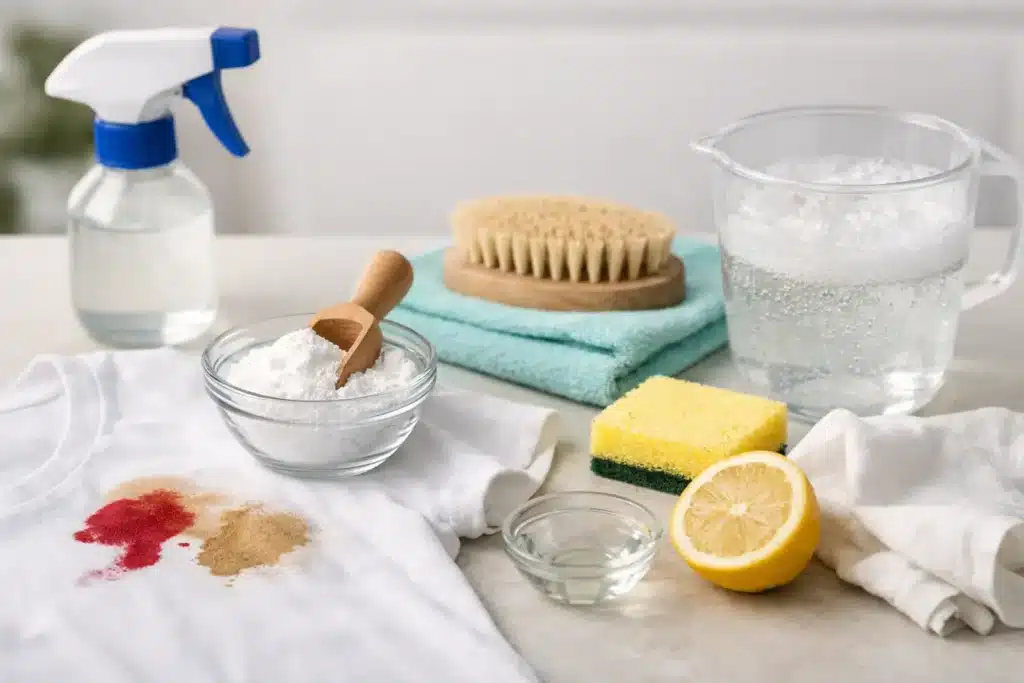
A dropped glass of red wine before a rental inspection, muddy footprints through the lounge, or a coffee spill on an office chair can turn a clean room into a problem fast. The best methods for stain removal are not about throwing every product in the cupboard at the mark. They rely on quick action, the right treatment for the substance and surface, and knowing when professional equipment is the safer option.
A stain may look simple, but carpet fibres, rugs and upholstery react very differently to moisture, heat and cleaning chemicals. Treat the wrong material with the wrong product and a small spill can become a faded patch, a sticky residue or a stain that keeps returning from deep in the backing.
Start with the rule that prevents most damage
Blot – do not scrub. Use a clean white cloth or paper towel to press firmly into a fresh spill, working from the outside edge towards the centre. This lifts liquid without spreading it through the fibres. Change to a dry part of the cloth as it absorbs the spill.
Scrubbing is tempting, especially when the mark is obvious. It usually pushes the staining material deeper, roughs up carpet pile and can damage delicate upholstery fabric. If the spill is thick, such as food, mud or pet mess, gently lift away the excess with the edge of a spoon before blotting.
Cold or cool water is normally the sensible first choice for unknown spills. Hot water can set protein-based stains, including blood, milk, egg and some pet accidents. Do not saturate the area either. Excess water can soak into underlay, cause odours and leave a water mark as the fabric dries.
Match the treatment to the stain
The best stain removal method depends on what caused the mark. There is no one product that safely handles everything, and a label saying “carpet cleaner” does not mean it is suitable for every fibre or fabric.
Food, coffee, tea and red wine
Coffee, tea, wine and many food spills contain tannins and dyes that can leave a noticeable discolouration. After blotting, apply a small amount of mild, pH-neutral detergent mixed with cool water to a cloth, rather than pouring it directly onto the carpet. Dab gently, then blot with a second clean damp cloth to remove detergent residue.
For colourfast synthetic carpet, an oxygen-based stain treatment may help with stubborn tea or wine marks. Test it first in a hidden area and follow the product directions exactly. Strong bleach products are not a shortcut. They can permanently strip colour from carpet, rugs, curtains and upholstered furniture.
Grease, makeup and oily spills
Cooking oil, butter, lipstick and some cosmetics need a different approach because water alone will not break down the oil. First, cover a fresh oily spill with an absorbent powder such as baking soda or cornflour and leave it briefly to draw up surface oil. Vacuum it carefully, then use a cleaning product designed for grease on the specific surface.
Avoid using random solvents, methylated spirits or harsh degreasers from the shed. They can dissolve backing materials, affect dyes and create a larger ring around the original stain. Upholstery is particularly vulnerable because foam cushioning holds moisture and chemicals below the visible fabric.
Pet urine, vomit and other organic stains
Pet accidents need attention beyond the visible mark. Urine can travel through carpet into the underlay, leaving bacteria and odour behind even after the surface looks clean. Blot up as much liquid as possible, use cool water sparingly, and apply an enzyme-based treatment suitable for carpet or upholstery.
Enzyme products need time to work, so follow the dwell-time instructions rather than immediately wiping them away. Do not mask the smell with fragrance sprays or use excessive heat. If the odour returns on humid days, the contamination is likely deeper than a home treatment can reach.
Mud, soil and everyday tracked-in dirt
For mud, patience is often the best tool. Let it dry completely, vacuum thoroughly, then treat the remaining mark with a light detergent solution. Rubbing wet mud turns dirt into a slurry that works further into the pile.
High-traffic greying around hallways, entry points and office walkways is usually not one stain at all. It is built-up dry soil and oily residue that needs deep cleaning, not repeated spot treatment. This is where professional hot-water extraction can make a visible difference across the entire area.
Surface matters as much as the stain
A synthetic carpet in a busy family room can tolerate different products and moisture levels than a wool rug or linen sofa. Before using any cleaner, check the manufacturer’s care instructions and test an inconspicuous section. If colour transfers onto the cloth, stop immediately.
Wool, silk, viscose and handwoven rugs deserve extra caution. These fibres can brown, shrink, bleed colour or lose their texture when over-wet or treated with alkaline products. A rug’s value is not always obvious, particularly with imported or heirloom pieces, so guessing is rarely worth the risk.
Upholstery also needs a tailored approach. The fabric may be colourfast while the foam beneath it is not designed to dry quickly. Over-wetting a lounge can leave water marks, mould risk and a damp smell. Professional upholstery cleaning uses controlled moisture, suitable solutions and extraction that removes suspended soil rather than leaving it behind.
Four mistakes that make stains worse
When a stain is urgent, avoid these common fixes:
- Scrubbing aggressively, which spreads the stain and damages fibres.
- Pouring cleaner or water directly onto the spot, which over-wets the backing or cushion.
- Mixing cleaning products, especially bleach, ammonia or unknown chemicals.
- Using coloured cloths or towels that may transfer dye onto light carpet.
Another issue is residue. Even when a stain appears gone, leftover detergent can attract soil and create a dark patch again within weeks. Always blot and rinse lightly after a spot treatment, then dry the area quickly with airflow from open windows or a fan.
When a professional stain treatment is the right call
Home methods are useful for fresh, minor spills. Professional treatment is the better choice for old stains, large affected areas, recurring odours, delicate fibres, heavily soiled carpets, or marks that matter before a vacate inspection. It is also sensible to call a specialist before using multiple products that could react with one another.
Certified technicians assess the fibre, identify the likely stain and select cleaning chemistry that suits the job. Industry-grade extraction equipment reaches further into carpet fibres and removes more moisture than basic hire machines, helping carpets dry properly and reducing the chance of residue or wicking.
Wicking occurs when staining material deep in the carpet backing rises to the surface as the area dries. It can make a stain look as though it has “come back” after cleaning. Proper rinsing, controlled extraction and post-treatment are designed to deal with that issue rather than simply brightening the top layer.
GM Carpet Cleaning provides professional stain removal for homes, rentals and workplaces across Mandurah and nearby areas. For tenants, property managers and business owners, the goal is not merely to make a stain less noticeable. It is to restore a cleaner, fresher surface with treatment that is appropriate for the material and backed by a satisfaction-focused service.
Act early, but do not over-treat
The longer a stain sits, the more time it has to bond with fibres, attract dirt or create odour. Take a clear photo before treatment if it is part of a tenancy, insurance or property-condition matter, blot the area promptly, and keep children and pets away while it dries.
Some marks cannot be completely removed because they have permanently changed the fibre’s dye or caused physical damage. Honest professional advice matters in those cases. The right next step is not always a stronger chemical – it is a careful assessment that protects the surface you have invested in and gives it the best possible chance of coming clean.