
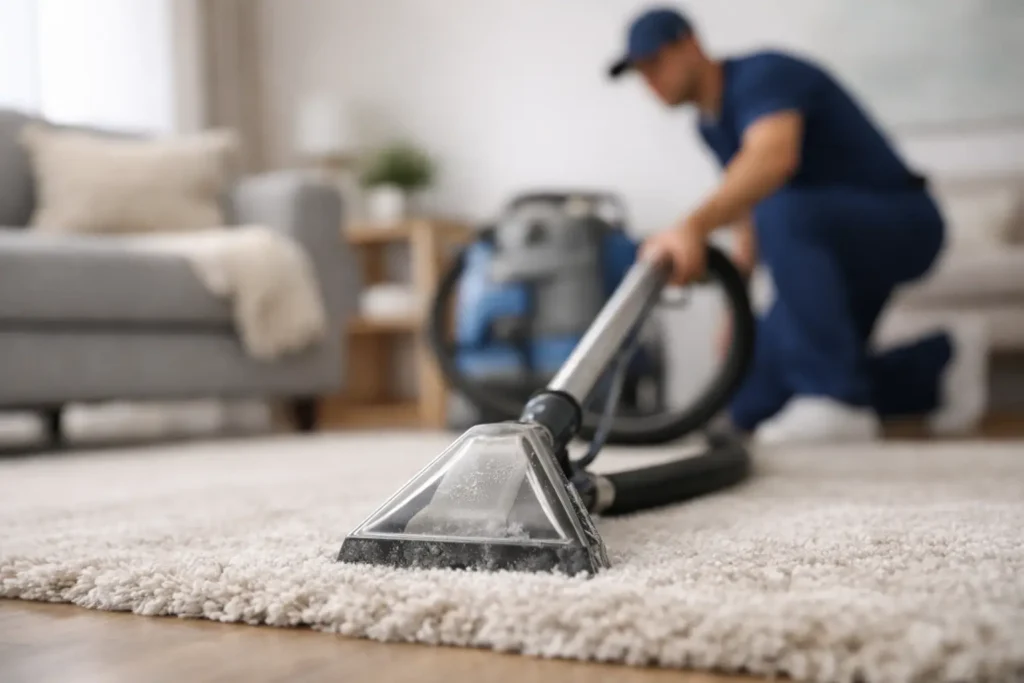
That hallway rug always tells the truth. If it looks flat, smells a bit off, or keeps holding onto dust no matter how often you vacuum, the question is not whether it needs attention. It is how often to get rugs cleaned so they stay fresh, hygienic and in good condition for the long haul.
The short answer is this: most rugs should be professionally cleaned every 12 to 18 months. But plenty of homes and workplaces need a tighter schedule. If you have pets, young kids, allergies, heavy foot traffic or regular spills, every 6 to 12 months is usually the better call. Leave it too long, and dirt settles deep into the fibres where normal vacuuming simply cannot reach.
How often to get rugs cleaned in real homes
There is no single schedule that suits every rug. A decorative rug in a quiet spare room and a living room rug that cops daily traffic are not dealing with the same wear. The right timing depends on how the rug is used, what lands on it, and how quickly grime builds up below the surface.
For an average household, professional rug cleaning once a year is a solid baseline. That keeps everyday dust, tracked-in soil and body oils from building up to the point where the rug starts looking dull. It also helps protect the fibres, because gritty debris acts like sandpaper every time someone walks across it.
If the rug sits near an entry, under a dining table or in a busy family area, annual cleaning may not be enough. In those spots, six to nine months is often a smarter schedule. High-traffic rugs wear faster, trap more dirt and tend to show staining sooner, even if they appear reasonably clean on top.
Bedroom rugs and rugs in formal areas can usually stretch a little longer, especially in homes without pets or children. Even then, waiting more than two years is risky. By that stage, built-up soil can be harder to remove fully, and odours may already be set into the backing.
The biggest factors that change your cleaning schedule
Traffic matters most, but it is not the only factor. Pets are a major reason rugs need more frequent professional care. Fur, dander, muddy paws and the occasional accident all work their way into the pile. A rug can look fine after a quick vacuum and still be holding onto pet odours and residue underneath.
Young children have a similar effect. Food drops, drink spills, sticky hands and playtime on the floor all add up. If a rug is part of daily family life, it usually needs cleaning more often than the rest of the home.
Allergies are another reason not to leave it too long. Rugs trap dust, pollen and fine particles that can circulate back into the air. For allergy-prone households, a regular professional clean is less about appearance and more about keeping the home comfortable.
Material also plays a part. Some rugs are more delicate and can show wear if they are neglected. Others are tougher but still hold a surprising amount of dirt. Wool rugs, for example, benefit from proper maintenance because they attract and retain fine particles deep in the fibres. Synthetic rugs can be durable, but that does not make them low maintenance.
Signs your rug needs cleaning sooner
A calendar helps, but your rug will usually give you clues before the date rolls around. If colours look flatter than they used to, that is often trapped soil muting the surface. If the rug feels rough, sticky or matted underfoot, build-up is likely already there.
Smell is another obvious sign. A rug should not hold lingering odours after the room has been aired out. If it still smells musty, stale or pet-related, the issue is normally deeper than the surface.
You should also act sooner if spills keep reappearing after spot cleaning. That often means residue has soaked into lower layers and is drawing soil back up. The same goes for stains that seem to spread or darken again after drying.
If someone in the home is sneezing more indoors, or if dust seems to return quickly after cleaning, the rug may be acting like a filter that is already overloaded.
Recommended rug cleaning frequency by situation
Some schedules are practical enough to use straight away. In most homes, every 12 months works well for standard living areas. For homes with pets or children, every 6 to 12 months is safer. For high-traffic zones such as hallways, entries and family rooms, aim for every 6 to 9 months.
Rental properties and vacate situations are a separate category. If the rug needs to present well for inspection, open home preparation or end-of-lease cleaning, timing matters more than routine. In those cases, a professional clean should happen as needed, not just when the yearly schedule says so.
Commercial settings usually need more frequent attention. Offices, waiting areas and workspaces see consistent traffic, and presentation matters. Depending on use, rugs in business environments may need cleaning every 3 to 6 months to stay professional and hygienic.
Why vacuuming is not enough
Vacuuming is essential, but it is maintenance, not a full reset. It removes loose surface debris and helps reduce wear between professional cleans. What it cannot do is lift embedded grime, break down oily residue or flush out the contaminants sitting in the base of the fibres.
That is why rugs can still look tired after regular vacuuming. Fine dust, sand, skin cells and spill residue settle where household equipment cannot reach effectively. Over time, that build-up affects both appearance and indoor hygiene.
Professional cleaning goes further. The right methods remove what everyday cleaning leaves behind, while protecting the rug from unnecessary damage. That is especially important for rugs with stubborn stains, pet issues or delicate construction.
The cost of waiting too long
Putting off rug cleaning often feels harmless because the decline is gradual. The problem is that delayed cleaning usually means more work, tougher stain removal and a shorter life for the rug.
When dirt is left sitting in the fibres, foot traffic grinds it in deeper. That causes premature wear and leaves the rug looking older than it should. Odours also become harder to shift once they have had time to settle into the backing and underlay.
There is also the presentation factor. A clean rug lifts the whole room. A dingy one drags it down, no matter how tidy everything else is. For rental inspections, property handovers or client-facing business spaces, that difference is hard to ignore.
Choosing the right professional clean
Not every rug should be cleaned the same way. Material, dye stability, pile type and staining all influence the safest approach. That is why professional assessment matters. A proper technician does not just clean what is visible. They identify what the rug needs, choose the right method and work to deliver a genuinely professional result without guesswork.
This is where experience counts. Strong equipment, proven stain removal methods and a careful process can make the difference between a rug that simply looks damp for a day and one that comes back cleaner, fresher and properly revived. For households and businesses in busy local areas, that level of care is worth it.
At GM Carpet Cleaning, that is exactly the standard we back – straightforward service, advanced cleaning methods and results you can see.
A simple rule to follow
If you are unsure how often to get rugs cleaned, start with once a year and adjust based on what the rug is dealing with. More traffic, pets, kids, spills or allergy concerns mean more frequent cleaning. Less use and cleaner conditions can allow a longer gap, but not forever.
A rug does a lot of heavy lifting in a home or workplace. Treat it like a surface that collects daily wear, not just a decorative extra. Stay ahead of the build-up, and it will keep your space looking cleaner, feeling fresher and lasting longer.